
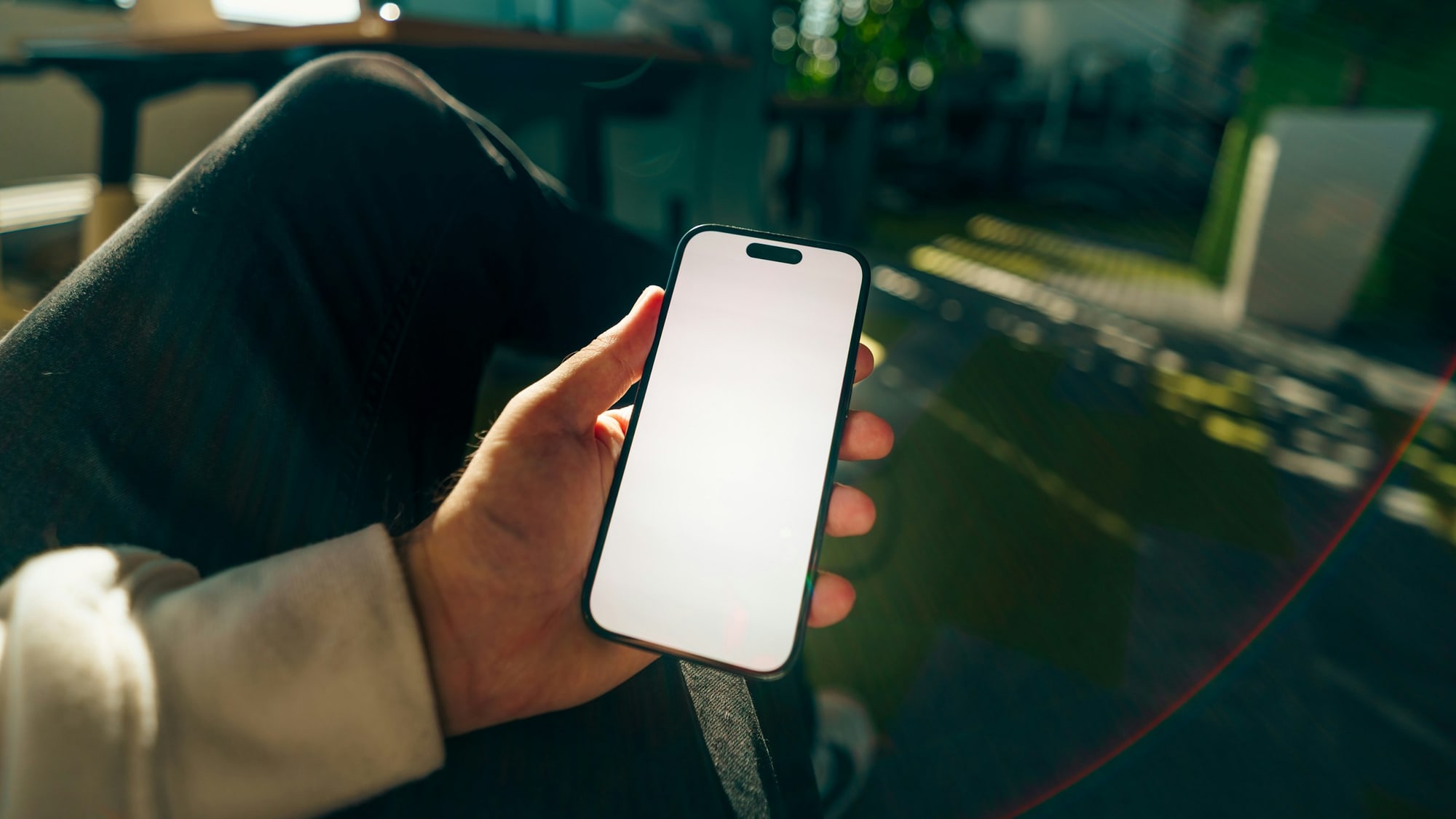
A virtual phone number is a real phone number that is not tied to one SIM card or one physical phone line. Calls and texts reach you through an app or the internet, so the same number can ring on a cell phone, a computer or a desk phone. Some people call it a digital phone number or a VoIP number.
Which kind you need depends on who answers it. If the number is only for you, a consumer second-number app is usually enough. If customers call it and more than one person may answer, you need a number that belongs to the business.
Virtual, digital or VoIP number: is there a difference?
Not in practice. VoIP (Voice over Internet Protocol) is the technology that carries the call over the internet. "Virtual" and "digital" describe the number that runs on it, and a "virtual phone line" is the same thing. To a caller, it is an ordinary US number with a normal area code. The difference is on your side: the number lives in an account, not in a SIM card or a wall jack, so it follows you to any device where you sign in.
What a personal virtual number is good for
- A second line on the phone you already carry, without a second SIM card.
- Privacy when you sell something online or post a listing, so strangers do not get your main number.
- Travel or a move: a US number that works wherever you have internet.
- A short project, when you want a number you can stop using afterward.
For these uses, a consumer second-number app is usually the right tool: one person, one phone, low cost. Zonitel is a business phone provider. If all you need is a private second number for yourself, a business phone system is more than you need.
What changes when the number is for a business
A business number is how customers reach you. Five things change.
- Several people answer. One number can ring the front desk and two cell phones together.
- Callers hear a phone menu, with a greeting, options and different handling when you are closed.
- Texting needs registration before you text customers from a local number.
- The number stays when staff change. It belongs to the business account, not to an employee's phone.
- There are call records: who called, what was missed and who answered.
A business phone system such as Zonitel covers these with an auto attendant (the phone menu), ring groups, call recording, analytics and a shared inbox where text conversations stay with the business number. Each person answers in the mobile app, in a browser or on a compatible desk phone.
| Question | Personal virtual number | Business virtual number |
|---|---|---|
| Who answers | One person, on one phone. | One person or a team, on several phones and computers. |
| What callers hear | Your phone rings, then a personal voicemail. | A business greeting, a phone menu and an after-hours path. |
| Texting rules | Person-to-person texting for private conversations. | Texting customers requires A2P 10DLC registration (local) or verification (toll-free). |
| Features | Calls, texts and voicemail. | Extensions, ring groups, call recording, reports and a shared text inbox. |
| When you change phones | Sign in to the app on the new phone. | Sign in on the new device. The number stays in the business account. |
| When a person leaves | The number usually leaves with them. | The number stays. You remove their access and reroute the calls. |
| Typical cost shape | Often free with limits, or a small monthly fee. | A monthly fee per user that includes the phone system. |
What "free" virtual numbers usually involve
Free virtual numbers exist, and for personal use they can be all you need. Read the terms before you depend on one. In general, look for:
- Limits on minutes, texts or the numbers you can reach.
- Ads, or useful features kept for a paid plan.
- Number recycling. Some services take back a number that goes unused for a while and assign it to someone else.
- One user. Most are built for a single login, not for a team.
- No business texting registration, so texts from a business to its customers can be blocked or filtered by mobile carriers.
None of this makes a free number bad. It makes it a personal tool. For a business, the question is what happens on the day the number is reclaimed, capped or unable to text, when it is already printed on your cards, your truck and your Google listing. The same risk applies if you run the business from your own cell number.
Local or toll-free: which kind of virtual number?
Both can be virtual. A local number carries the area code of a city or region and suits a business that serves one area. A toll-free number (800, 888, 877, 866, 855, 844 or 833) is not tied to a place and suits a business that sells across several states. Some businesses hold both on one account.
Can you choose your area code?
Usually, yes, depending on which numbers are still available. In large cities the original area code can be nearly used up, so you may be offered a newer one that covers the same region. With Zonitel, our team reviews the numbers available in your area, or toll-free options, and helps you choose before activation. You can look up any US area code in our area code directory.
Can you move your current number to a virtual number?
Yes. Moving a number between providers is called porting, and it works for most active US numbers, including a cell phone number or a landline you have used for years. Do not cancel your old service first, because a disconnected number may not be recoverable. The name, address and account number on the request must match what your current provider has on file.
With Zonitel, porting is free and commonly takes 5–10 business days, depending on the carrier. You can use a new number while the port is in progress.
Three limits to know before you rely on any virtual number
Business texting requires registration
In the US, mobile carriers require a business that texts from a local 10-digit number to register its brand and the kind of messages it sends. The program is called A2P 10DLC. You register through your phone provider, and toll-free numbers go through a separate verification. Until approval, business texts can be blocked or filtered. With Zonitel, we guide the registration during onboarding and texting turns on after it is approved. Carrier registration fees may apply.
Some verification codes will not arrive
Some banks, apps and websites refuse to send one-time verification codes to virtual numbers. The sender makes that decision, so no phone provider can promise that every code will arrive. Keep your mobile number on the accounts that matter. Where a service offers it, the FTC says an authenticator app or a security key is safer than a code sent by text.
911 needs a registered address
A virtual number is not tied to a place. Internet phone services use a registered address to route a 911 call, so register the address where you really use the phone and update it when you move. Internet calling also needs power and a working connection, so keep a charged cell phone as a backup. In Zonitel Office, check the address under Settings → Phone Numbers → Settings → Emergency 911.
How to get a virtual phone number in 5 steps
- 1. Decide who will answer. Only you: a consumer app. Customers and a team: a business phone provider.
- 2. Choose a local or toll-free number and the area code you want.
- 3. Pick a new number or port your current one. If you port, keep the old service active until the transfer is complete.
- 4. Set up how calls are answered: a greeting, your hours, which phones ring and where calls go when you are closed.
- 5. Register and test. Start the texting registration, confirm your 911 address, then call the number from an outside phone.
At Zonitel this is guided onboarding: our team helps you choose the number, build the call flow and submit the texting registration. Do not print a new number until your provider confirms it is active.
What a business virtual number costs with Zonitel
With Zonitel, the number comes with the phone system around it. Plans are $30 per user per month for 1–5 users, $25 for 6–19 and $20 for 20 or more, plus tax, month-to-month with no annual contract. New accounts can start with a 30-day trial of the core platform.
Each plan includes calling (unlimited within the US and Canada, subject to reasonable use), the auto attendant, call routing, call recording, analytics and the mobile app. One-to-one conversational texting has no per-message charge once your registration is approved; bulk and automated messages are billed separately. The cost of each added number is confirmed before activation. Zonitel does not sell phones: you use the mobile app, a browser or a compatible desk phone you already have.
Frequently asked questions
What is a personal virtual phone number?
It is a second phone number for one person that works through an app on the phone you already have. People use it to keep their main number private or to keep a US number while traveling. It is a personal tool: one user, one login.
Is a virtual phone number a real number?
Yes. It is a standard phone number with a real area code. Anyone can call or text it from any phone, and it can usually be transferred to another provider. "Virtual" only means it is not fixed to a SIM card or a physical line.
Can I get a free virtual phone number for my business?
You can sign up for a free number, but check the terms first, including whether business use is allowed. The usual gaps are a single user, no phone menu, no business texting registration and a number that can be reclaimed if it sits unused. A free number can work while you test an idea. Once customers depend on it, use a number your business controls.
Can I text from a virtual number?
Yes, most virtual numbers send and receive texts. For a business texting customers in the US, a local number must be registered under A2P 10DLC and a toll-free number must be verified first. Verification codes from banks and apps are a separate matter and may not arrive on a virtual number.
Can I keep my virtual number if I change providers?
In most cases, yes. An active number in an account you control can usually be ported to a new provider. Ask before you sign up whether the service lets you transfer the number out and whether it charges for that. Moving a number to Zonitel is free and commonly takes 5–10 business days.
How do I create a virtual phone number?
Choose a provider, pick a local or toll-free number in the area code you want, or port the number you already have. Then install the app and sign in. For a business number, add a greeting, your hours and the people who should answer. With Zonitel, our team helps you choose the number and activates it on your account. You do not need a new phone or SIM card: business calls go through the mobile app and your personal number stays private.
Sources (checked November 2026)
Zonitel setup and related reading
- Zonitel: Get a new business number
- Zonitel: What you need to port your number
- Zonitel: Call from your mobile using your business number
- Zonitel: Check your emergency 911 address
- Virtual phone numbers for business
- Zonitel pricing
- Free number porting
- US area code directory
- Toll-free vs. local number for business
- Business SMS compliance: A2P 10DLC
- The hidden cost of using your personal phone for business
Need a number for your business, not only for you?
Tell us who should answer and which area code you want. Through guided onboarding, we help you choose a local or toll-free number, or port the one you have. Support is available Monday–Friday 7 AM–7 PM and Saturday 8 AM–4 PM Central.